
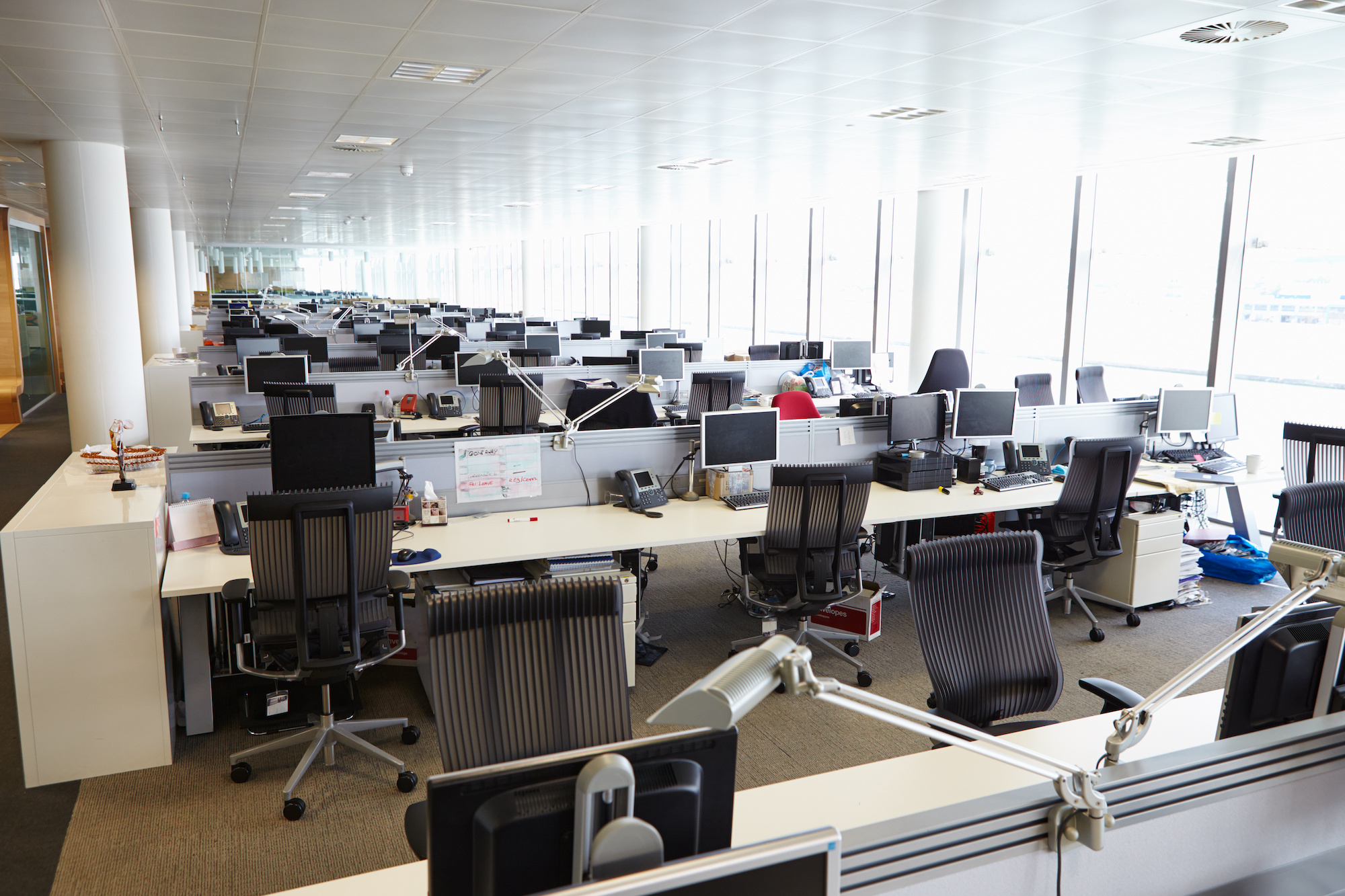
When businesses relocate, downsize, or upgrade their workspace, one of the biggest challenges is figuring out what to do with existing furniture. Many companies assume liquidation is limited to a few items, but in reality, a wide range of office furniture and equipment can be sold, donated, or responsibly removed.
Understanding what type of office furniture can be liquidated helps you recover value, reduce moving costs, and simplify your transition. Whether you’re clearing out a full office or just removing select items, having a clear strategy makes the process faster and more cost-effective.
Why Office Furniture Liquidation Matters
Office furniture liquidation is more than just getting rid of old items. It plays a key role in your overall office move or reconfiguration.
- Reduces moving costs by eliminating unnecessary items
- Frees up valuable space for new layouts or employees
- Recovers value from furniture that still has resale demand
- Supports sustainability through reuse and recycling
- Ensures lease compliance by fully clearing your space
Many businesses in NYC work with companies like Eagle Transfer to handle liquidation as part of a larger office move or decommissioning plan.
What Office Furniture Can Be Liquidated?
Most commercial office furniture can be liquidated if it is in reasonable condition or has market demand. Below are the most common categories.
1. Desks and Workstations
Desks are among the most common items businesses liquidate during an office move or space refresh.
- Executive desks
- Sit-stand desks
- Cubicles and modular workstations
- Open-plan benching systems
Modern, adjustable, and modular desks tend to sell faster because they meet the needs of growing businesses and flexible office layouts.
2. Office Chairs and Seating
Office seating is often in high demand, especially when chairs are ergonomic, clean, and in good condition.
- Ergonomic task chairs
- Executive chairs
- Conference room chairs
- Reception and lounge chairs
High-quality brands often retain stronger resale value, especially when multiple matching chairs are available.
3. Conference Room Furniture
Conference room furniture can be valuable for companies setting up meeting spaces, training rooms, or shared work areas.
- Conference tables
- Training tables
- Presentation podiums
- Breakout space furniture
These items are often more attractive when sold in sets or as part of a larger office liquidation package.
4. Storage and Filing Systems
Storage furniture remains useful for many businesses, even as more companies move toward digital systems.
- Lateral filing cabinets
- Vertical filing cabinets
- Bookshelves
- Storage cabinets
- Mobile pedestals
Even older storage units may be resold, donated, or recycled depending on condition and material.
5. Reception and Lounge Furniture
Front-office furniture can often be liquidated if it is clean, functional, and visually appealing.
- Reception desks
- Sofas and lounge seating
- Coffee tables
- Waiting area furniture
Modern reception furniture is often useful for small businesses, startups, medical offices, and professional service firms.
What Office Equipment Can Also Be Liquidated?
Office liquidation can also include equipment beyond traditional furniture. Many companies choose to remove or liquidate equipment during a move, renovation, or closure.
- Printers and copiers
- Monitors and computer peripherals
- Phone systems and telecom equipment
- Breakroom appliances
- Whiteboards and presentation equipment
A full-service provider like Eagle Transfer can assess both furniture and equipment as part of a complete liquidation strategy.
What Determines If Furniture Can Be Sold?
Not every item will have resale value, but most can still be handled responsibly. The value of used office furniture depends on several factors.
Condition
Furniture in good or lightly used condition is easier to sell. Items with heavy damage, stains, missing parts, or broken components may have limited resale value.
Brand and Quality
Recognized commercial furniture brands often hold value longer. High-quality pieces are more attractive to buyers because they are built for long-term use.
Quantity
Large quantities of matching furniture are often more appealing to buyers than individual pieces. For example, 40 matching chairs may be easier to liquidate than one or two mismatched chairs.
Market Demand
Modern, ergonomic, and flexible furniture is usually in higher demand than outdated styles. Sit-stand desks, modular workstations, and ergonomic seating often perform well in resale markets.
What Happens If Furniture Cannot Be Liquidated?
If certain items do not qualify for resale, they can still be removed responsibly. Office liquidation often includes more than one solution.
Donation
Gently used furniture may be donated to nonprofits, schools, community organizations, or local businesses in need.
Recycling
Furniture made from metal, wood, plastic, or other reusable materials can often be broken down and recycled.
Proper Disposal
Items that cannot be reused or recycled should be disposed of properly and in compliance with local regulations.
Working with a professional mover helps ensure every item is handled correctly, whether it is sold, donated, recycled, or removed.
Why Work with a Professional Office Liquidation Company?
Handling office liquidation internally can quickly become overwhelming. Coordinating buyers, scheduling pickups, arranging disposal, and managing building requirements all take time.
A professional team like Eagle Transfer can help with:
- Inventory evaluation
- Bulk removal and logistics coordination
- Resale, donation, and recycling management
- Building and lease compliance
- Storage and relocation support
Many office moving and commercial moving clients are not relocating far. Some are downsizing, renovating, closing a space, or simply moving floors within the same building. In these cases, liquidation is often a key part of optimizing the workspace.
Common Mistakes to Avoid
- Waiting until the last minute to plan liquidation
- Trying to sell every item individually
- Overestimating the value of outdated furniture
- Ignoring donation or recycling options
- Attempting large-scale removal without professional support
Avoiding these mistakes can save time, reduce stress, and improve the outcome of your office liquidation project.
FAQs
What is office furniture liquidation?
Office furniture liquidation is the process of selling, donating, recycling, or disposing of office furniture and equipment during a move, downsizing, renovation, or closure.
Can all office furniture be liquidated?
Most office furniture can be liquidated if it is in good condition and has resale demand. Items that cannot be sold may still be donated, recycled, or responsibly removed.
How do I know what my office furniture is worth?
Value depends on condition, brand, quantity, age, and market demand. A professional liquidation company can evaluate your furniture and recommend the best option.
Is it better to sell or donate office furniture?
Selling can help recover value, while donating can support the community and may offer tax benefits. Many businesses use a combination of resale, donation, and recycling.
Ready to Liquidate Your Office Furniture?
Whether you’re relocating, downsizing, renovating, or clearing out unused space, knowing what office furniture can be liquidated helps you make smarter decisions.
Eagle Transfer provides complete office liquidation solutions, from evaluation and removal to resale, donation, and recycling. Our team helps you clear your space efficiently, responsibly, and with minimal disruption.
Contact Eagle Transfer today to discuss your office liquidation