

Choosing the right office layout is one of the most important decisions a business can make. The way your workspace is designed impacts employee productivity, collaboration, privacy, and even company culture. While there are many optimized office layouts, choosing the right one for your goals and priorities can ensure better function and usage of your space.
Whether you’re moving into a new office, renovating your current space, or relocating within the same building, evaluating your office layout is an opportunity to create a more efficient and functional work environment.
Many of Eagle Transfer’s commercial moving clients are not simply changing addresses. They are moving floors, expanding departments, downsizing, or reconfiguring their workspace to better support the way their teams work. In many cases, selecting the right office layout is just as important as the move itself.
Why Office Layout Matters
A well-designed office can improve the way your team works every day. It can help reduce wasted space, improve communication, and make the office feel more organized and professional.
- Improve productivity
- Encourage collaboration
- Reduce distractions
- Maximize available square footage
- Support employee satisfaction
- Accommodate future growth
The right layout depends on your industry, team size, workflow, available space, and business goals.
Common Types of Office Layouts
There is no one-size-fits-all office layout. Each design has its own benefits and challenges. The best choice depends on how your team works and how your office space needs to function.
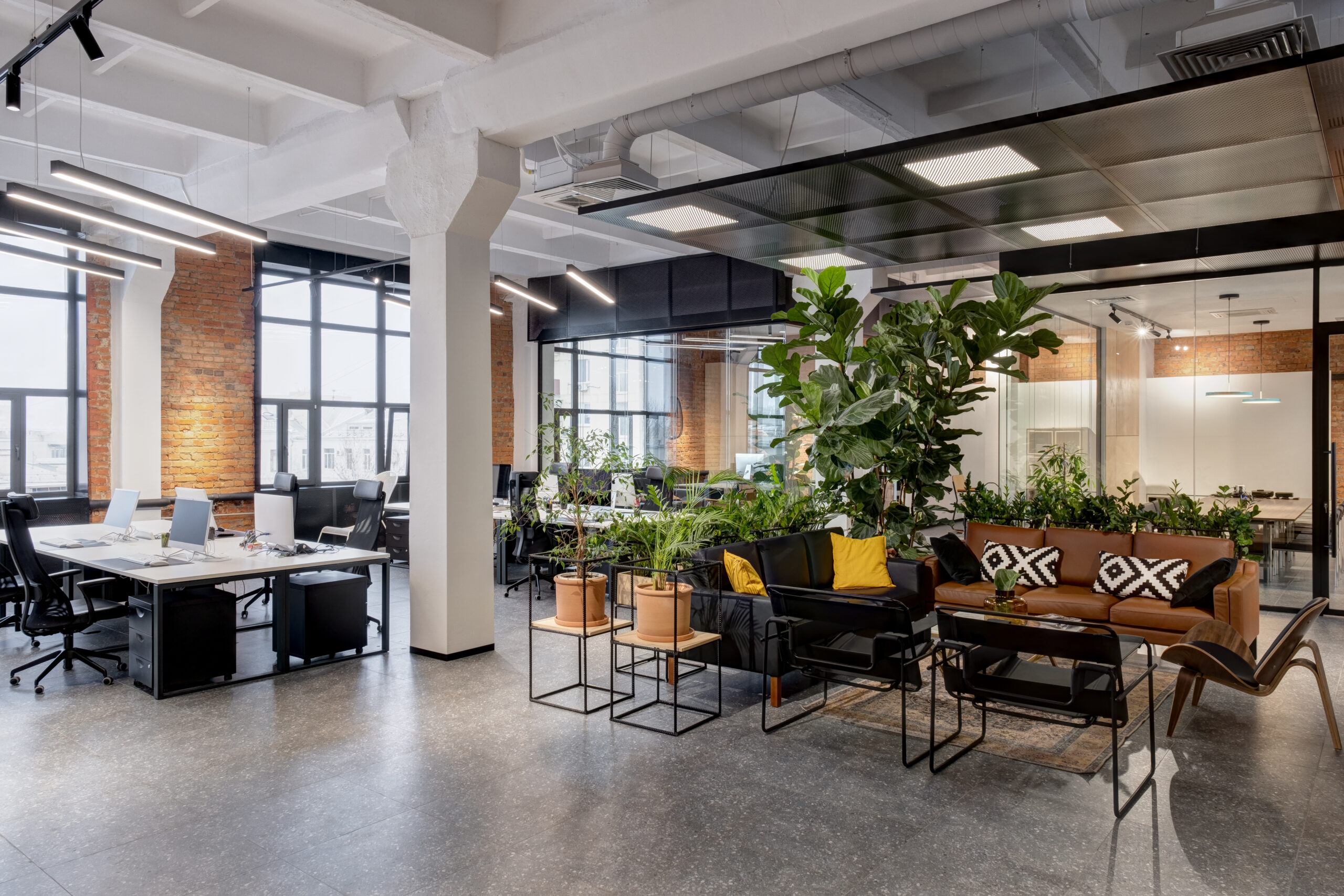
Open Office Layout
The open office layout is one of the most common workplace designs. In this setup, employees work in a shared environment with few physical barriers separating workstations.
This layout is often used by creative teams, startups, marketing agencies, and businesses that rely heavily on communication and collaboration.
Benefits:
- Encourages collaboration
- Maximizes available space
- Creates a more open environment
- Makes communication easier between departments
Challenges:
- Can increase noise levels
- Offers fewer private work areas
- May create distractions for focused work
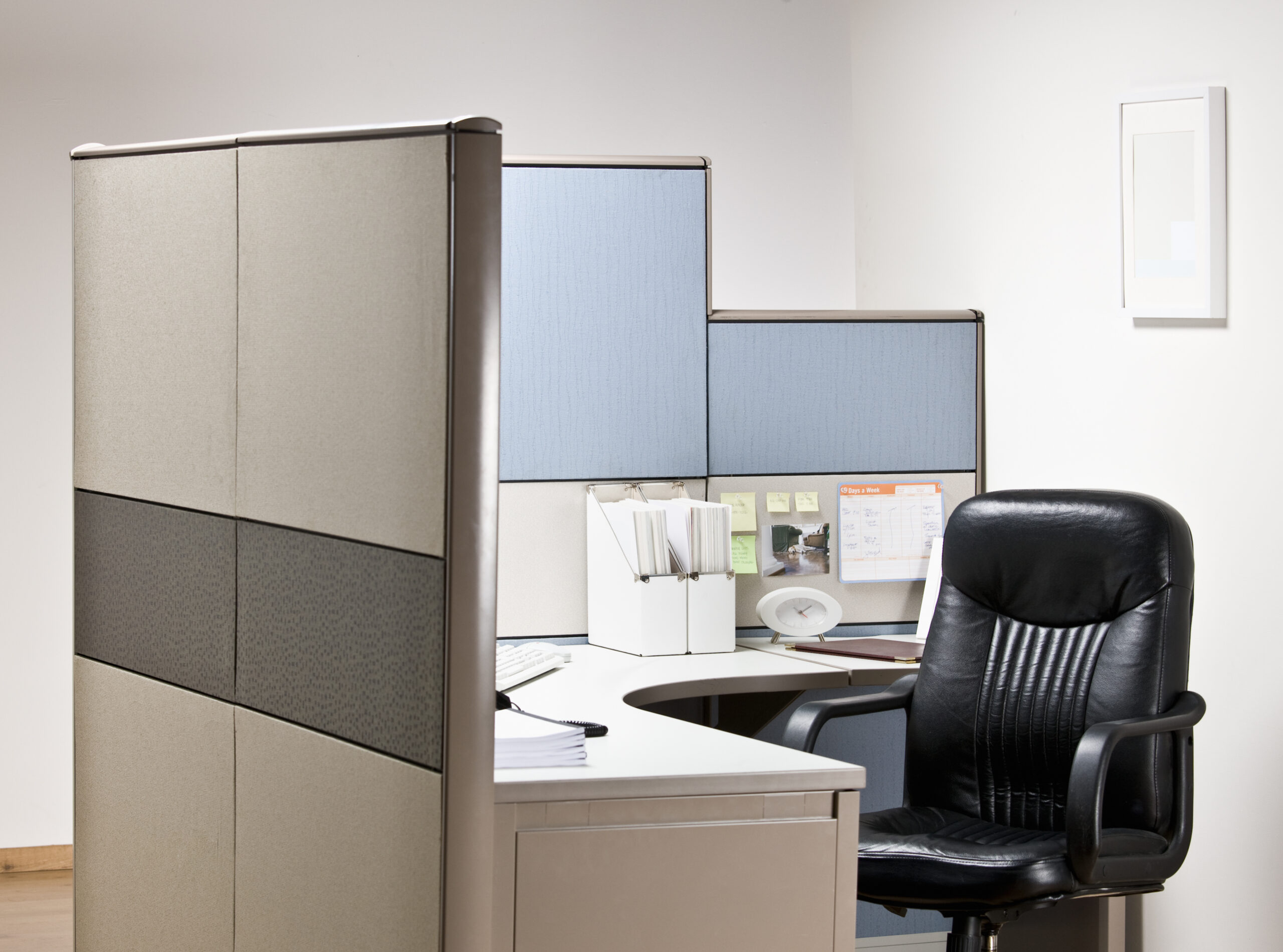
Cubicle Office Layout
Cubicle office layouts provide employees with individual workstations separated by partition walls. This layout offers more privacy than an open office while still allowing businesses to use space efficiently.
Cubicles are often used by financial firms, insurance agencies, administrative departments, and customer service teams.
Benefits:
- Improves concentration
- Provides more privacy
- Reduces visual distractions
- Uses office space efficiently
Challenges:
- Can feel less open
- May reduce spontaneous collaboration
- Can make the office feel more divided
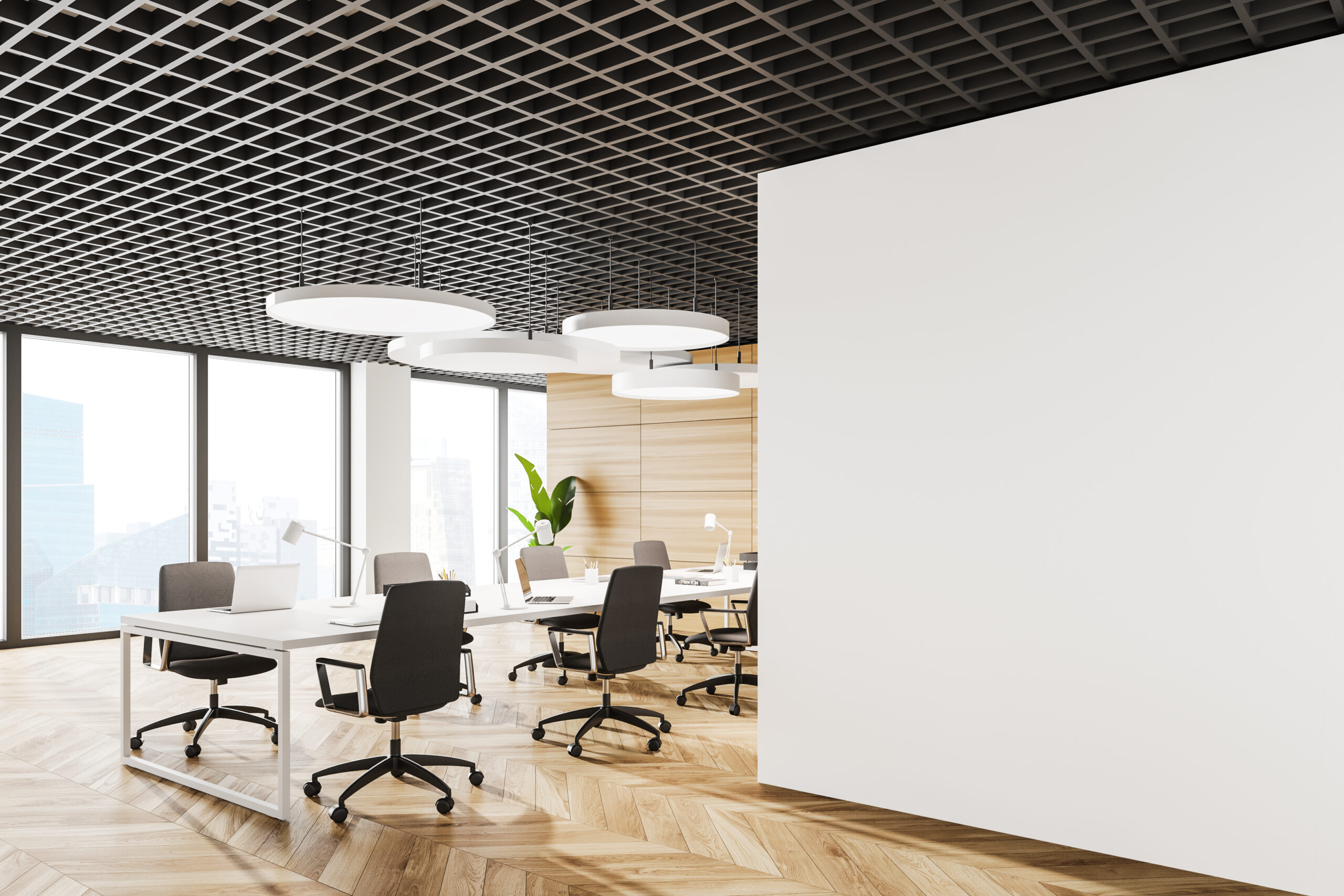
Hybrid Office Layout
A hybrid office layout combines open work areas, private offices, shared workstations, meeting rooms, and collaboration zones. This design has become popular as more companies support flexible work schedules.
Hybrid layouts work well for businesses with both in-office and remote employees.
Benefits:
- Supports hybrid work schedules
- Accommodates different work styles
- Balances collaboration and privacy
- Allows flexible use of space
Challenges:
- Requires thoughtful planning
- Can be harder to organize without clear rules
- May require more investment in technology and furniture
Private Office Layout
Private office layouts provide enclosed workspaces for individuals, leadership teams, or departments that require confidentiality. This layout is often used by law firms, accounting firms, healthcare offices, and executive teams.
Benefits:
- Provides maximum privacy
- Reduces noise and distractions
- Supports confidential conversations
- Creates a professional environment for client meetings
Challenges:
- Requires more square footage
- Can increase buildout costs
- May reduce team interaction
Activity-Based Workspace Layout
An activity-based workspace gives employees access to different areas based on the type of work they are doing. Instead of assigning every employee one desk, the office includes zones for focus, collaboration, calls, meetings, and informal work.
Common areas may include quiet rooms, phone booths, team tables, meeting rooms, lounge spaces, and shared workstations.
Benefits:
- Improves flexibility
- Supports different work styles
- Encourages better use of space
- Can improve employee experience
Challenges:
- Requires clear organization
- May not work for every company culture
- Needs proper technology and storage planning
Team-Based Office Layout
A team-based office layout groups employees by department or function. For example, sales, operations, marketing, finance, and leadership teams may each have designated areas.
This layout is useful for companies where departments need to communicate frequently throughout the day.
Benefits:
- Improves team communication
- Supports department workflows
- Makes collaboration easier within teams
- Helps organize larger office spaces
Challenges:
- May reduce cross-department communication
- Can create separated work zones
- Requires careful planning during growth
Which Office Layout Is Right for Your Business?
The right office layout depends on what your business needs most. Some companies need privacy. Others need collaboration. Many need a balance of both.
Consider Your Company Size
A small business with 10 employees will have different layout needs than a corporate office with several hundred employees. Smaller offices may benefit from flexible workstations and multi-purpose areas, while larger offices may need structured departments and dedicated meeting spaces.
Consider How Your Team Works
Ask how your team spends most of the day. Do they need quiet focus time? Do they collaborate often? Do they meet with clients? Do they handle confidential information?
The answers will help determine whether an open, hybrid, private, or team-based layout makes the most sense.
Consider Future Growth
Your office layout should support your business today and allow room for tomorrow. If you plan to hire more employees, add departments, or change workflows, choose a layout that can adapt.
Consider Your Available Square Footage
Some layouts are better for maximizing space, while others prioritize privacy and comfort. If square footage is limited, flexible furniture, shared workstations, and vertical storage can help make the office more efficient.
When Is the Best Time to Redesign Your Office Layout?
Many businesses choose to reconfigure their workspace during a major transition. This allows them to improve layout, remove unused furniture, and set up the office more strategically.
Common times to redesign an office layout include:
- Office relocations
- Internal office moves
- Moving floors within the same building
- Office renovations
- Lease renewals
- Downsizing or expansion projects
Working with experienced commercial movers can help ensure your new layout is planned and executed correctly.
Common Office Layout Mistakes to Avoid
- Choosing a layout based only on appearance
- Not planning for future growth
- Ignoring employee workflow
- Using oversized furniture in a small space
- Forgetting about storage needs
- Not considering noise and privacy
- Waiting until moving day to decide placement
A well-planned office layout should support the way your business actually operates, not just how the space looks in photos.
FAQs
What is the most popular office layout?
The open office layout remains one of the most common designs, although many companies now prefer hybrid layouts that balance collaboration and privacy.
What office layout is best for productivity?
The best layout depends on the type of work being performed. Hybrid layouts are often effective because they provide both focus areas and collaborative spaces.
How do I maximize a small office space?
Use multi-functional furniture, flexible workstations, vertical storage, and a clear layout plan to make the most of limited square footage.
Should I redesign my office during a move?
Yes. An office move is one of the best times to rethink your layout, remove unnecessary furniture, and create a more efficient workspace.
Planning an Office Move or Office Reconfiguration?
Whether you’re relocating to a new office, moving floors within your building, or redesigning your current workspace, Eagle Transfer can help make the transition seamless.
Our team has helped businesses throughout New York City coordinate office relocations, furniture installations, office liquidations, and workspace reconfigurations since 1974.
Contact Eagle Transfer today to discuss your office move and create a workspace designed for productivity, collaboration, and future growth.