 Skip to content
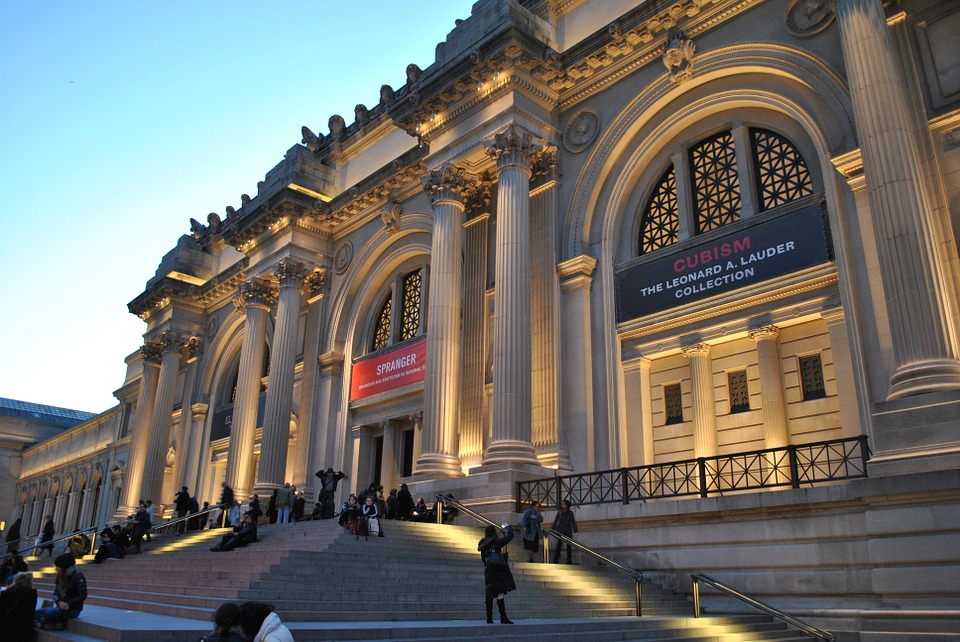

One of the largest and most respected cultural repositories in the world, the celebrated Metropolitan Museum of Art has been New York City’s premier center for art and culture for well over a century now. The largest and most visited art museum in the Western Hemisphere, the museum contains more than two million artworks and artifacts spanning some 5,000 years of human history. Few people, however, really know the history of the museum and its humble beginnings as a way to remake New York City into a major hub for art and culture. Here’s a quick look at the hidden history of the Metropolitan Museum of Art.
The origins of the famed museum date back to shortly after the Civil War when wealthy, prominent New Yorkers voiced their support for a major art museum in the city. With New York City a major commercial center and rising on the world stage, they reasoned, the city needed a premier arts and cultural institution to stand alongside the respected museums of major European cities like London and Paris. Responding to these concerns, the New York State Legislature granted the new museum an Act of Incorporation in April 1870 for its subsequent establishment.
The museum opened in its first location on February 20, 1872 at 681 Fifth Avenue in Manhattan. Backed by a number of wealthy and influential citizens, the burgeoning museum’s collection grew rapidly, forcing its relocation to a new location in 1873 at 128 West 14th Street.
In 1880, the museum was granted permission to move to its current location along the eastern edge of Central Park. The new building for the Metropolitan Museum of Art was greatly expanded several times around the turn of the 20th century, with various additions being completions and its iconic façade added in 1926.
In 1925, the museum acquired the Cloisters – then a separate museum dedicated to medieval art – in Upper Manhattan as a gift from John D. Rockefeller, Jr. Later, the museum launched a new, 20-year architectural master plan in 1971 to make it more accessible and open to the public. In the late 1990s and early 2000s, a number of new and renovated art galleries were opened, expanding the museum in size and increasing attendance. 2016 saw the opening of Met Breuer, a dedicated modern and contemporary art institute located in the old location of the Whitney Museum of American Art.
Today, the Metropolitan Museum of Art stands tall as one of the leading arts and cultural institutions in the entire world. From its humble beginnings less than 150 years ago, the museum has grown to become one of the largest and most prestigious in the world and has also helped to establish New York City as a premier cultural hub.
